Bring Medication to Korea: Which Pills Need MFDS Approval (2026)
Quick answer: You can bring medication to Korea without a permit if it’s for your own use and stays within 6 bottles or a 3-month supply, packed with your prescription or pharmacy label. Medicines Korea classes as narcotics or psychotropics — including zolpidem (Ambien), alprazolam (Xanax), methylphenidate (Ritalin, Concerta) and codeine — need an approval from the Ministry of Food and Drug Safety (식품의약품안전처, MFDS) before you land. Apply online at least 10 days before your flight; approvals cover a maximum of 90 days.
Do you need approval to bring your medicine to Korea?
Most travelers don’t: ordinary prescription and over-the-counter medicines only need to fit Korea Customs’ personal-use allowance. Approval depends on which of four groups your medicine falls into.
| Group | Examples | What you need | Limit |
|---|---|---|---|
| Ordinary medicines | Blood pressure pills, antidepressants like sertraline, antibiotics, painkillers without codeine | Prescription, doctor’s note or pharmacy label showing it’s yours | 6 bottles or a 3-month supply |
| Narcotics and psychotropics (마약류) | Zolpidem, alprazolam, diazepam, lorazepam, methylphenidate, codeine, oxycodone | MFDS approval before entry, plus the prescription | Up to 90 days, plus 5 spare days |
| Drugs flagged for misuse (오남용우려 의약품) | Viagra (sildenafil), Cialis (tadalafil) | A prescription from a Korean doctor | Only the quantity on that prescription |
| Not allowed | Cannabis, products with unclear ingredient labels, some herbal remedies | — | Cannot be brought in |
Two details trip people up. First, the 6-bottle allowance still counts toward your US$800 duty-free limit, so an expensive supply can be taxed. Second, health supplements have their own 6-bottle limit, separate from medicines.
Keep everything in its original packaging. Korea’s consulate in Atlanta also warns that customs may ask for a receipt proving you bought the medicine legally.
Is your medicine a controlled drug in Korea?
Check the active ingredient, not the brand name: Korea’s own drug database shows whether each ingredient is a narcotic (마약), a psychotropic (향정) or neither. We looked up common travel medicines in MFDS’s Drug Safety Korea database (의약품안전나라) on 12 October 2026.
| Ingredient (common brand) | Korea’s classification | Approval needed? |
|---|---|---|
| Zolpidem (Ambien) | Psychotropic (향정) | Yes |
| Alprazolam (Xanax) | Psychotropic | Yes |
| Methylphenidate (Ritalin, Concerta) | Psychotropic | Yes |
| Phentermine (diet pills) | Psychotropic | Yes |
| Codeine, oxycodone | Narcotic (마약) | Yes |
| Amphetamine (Adderall), lisdexamfetamine (Vyvanse) | No approved product in Korea | Yes — see the Adderall section |
| Atomoxetine (Strattera), modafinil | Not controlled | No |
| Tramadol, pregabalin, gabapentin | Not controlled | No |
| Sertraline, escitalopram, aripiprazole (Abilify), quetiapine | Not controlled | No |
| Melatonin, sildenafil | Not controlled (sildenafil has its own rule) | No |
A few low-dose Korean cough syrups and tablets with dihydrocodeine are listed as “exempt narcotics” (한외마약). Don’t assume your home-country product counts: codeine combined with paracetamol and ibuprofen is a full narcotic in Korea.
To check a medicine that isn’t in the table:
- Open nedrug.mfds.go.kr/searchDrug (Korean only; your browser’s translate button helps).
- Type the ingredient in English in the 성분영문명 (ingredient English name) field and search.
- Read the 마약구분 column: 향정 or 마약 means you need approval, a dash means you don’t.
If the column is blank because no product exists in Korea, treat it as controlled and ask MFDS before you fly.
How do you apply for the MFDS narcotics permit?
Apply online on the MFDS Permit To Bring In Narcotics For Self-treatment page, which has an English version and doesn’t require creating an account. MFDS has taken these applications online since 27 December 2024.
- Go to Drug Safety Korea (nedrug.mfds.go.kr), menu E-Civil Service Application/Report → Permit To Bring In Narcotics For Self-treatment, or the English site’s menu.
- Click Email verification, enter the code sent to you within 5 minutes, and set a password. No account sign-up is needed.
- Click New Application and fill in your passport, flight, dates in Korea, each medicine and its daily dose.
- Upload your documents as PDF files only (no zip files), then click Submit Application.
- Check progress in the application list. If MFDS asks for more documents, upload them by the deadline; it can’t be extended, and MFDS suggests submitting before 18:00 Korean time.
The documents you need:
- a full copy of your passport photo page;
- your flight booking showing your name, arrival date, flight number and airport;
- a doctor’s letter with the clinic, your name, the doctor’s name and signature, diagnosis, medicine and active ingredient, dose per time and per day, total amount, and issue date;
- the prescription;
- a drug export certificate from your home government, if your country issues one (it can replace the letter and prescription);
- proof of a long stay, such as a work or exchange-student letter, if relevant.
Documents must be in English or Korean. Anything else needs a notarized translation uploaded with the original.
How long does approval take, and how much can you bring?
The processing time is 10 business days, so apply at least 10 days before you arrive; MFDS can reject late or incomplete applications. Weekends and Korean public holidays don’t count, so leave more time around Chuseok or Lunar New Year.
The approved amount must match your stay, up to 90 days (3 months). You can add up to 5 days of spare doses in case of flight delays or long flights. If you’re flying from Korea to another country before returning home, attach those flight tickets too, or that part of the trip won’t be covered.
Carry all approved medicine in your hand luggage; keeping a copy of the approval with it makes any customs question quicker. Korea doesn’t allow narcotic or psychotropic medicines to be sent by mail or courier, even with a permit.
If you have questions, call MFDS’s Narcotics Policy Division (마약정책과) on +82-43-719-2813.
Can you bring Adderall to Korea?
Not without a written MFDS approval, and approval isn’t guaranteed. Amphetamine and lisdexamfetamine products aren’t approved in Korea at all; our database search returned no products for either ingredient.
We found no official MFDS statement on whether short-term visitors can be approved for amphetamine. If you take it, apply as early as possible through the same online permit, and don’t pack it until you hold the approval. If it’s refused or still pending close to your flight, ask your doctor about a switch for the trip.
Methylphenidate (Ritalin, Concerta) and atomoxetine (Strattera) are both sold in Korea. Methylphenidate still needs the permit; atomoxetine doesn’t.
What about cold medicine, painkillers and Viagra?
Check the ingredient list before you pack an over-the-counter remedy: Korea Customs most often finds narcotic ingredients in cold medicine and sleep aids. In 2024, codeine, dextromethorphan, alprazolam and zolpidem made up 239 of 292 cases (about 82%) of narcotic-ingredient medicines it caught, according to its March 2025 announcement.
Dextromethorphan is on that list, although regular Korean cough products with it aren’t classed as narcotics; one case Customs described involved about 1,400 tablets bought online. Keep cold and flu tablets in their boxes and within the 6-bottle limit, and leave codeine products at home unless you have the MFDS permit.
Viagra and Cialis are a special case. Incheon Airport Customs said in June 2026 that even one bottle needs a prescription from a Korean doctor, so a prescription from home doesn’t clear them.
Cannabis is banned outright, and Korea’s definition of cannabis (대마) includes products containing cannabidiol, so leave CBD oils and gummies at home too.
What happens if customs stops your medicine?
Customs holds anything over the limit or without the right papers. What happens next depends on the group.
- Ordinary medicines over the limit: you need papers such as a Korean doctor’s prescription to clear them, or you can have them returned when you leave. Anything not returned within one month is destroyed.
- Psychotropics and narcotics without approval: they can’t be returned and are destroyed. Bringing in larger amounts without approval can also be punished under Korea’s narcotics law.
- Over your approved amount: the extra is returned or destroyed.
If you’re also checking the rest of your arrival paperwork, see our guide to K-ETA and the exemption deadline. For getting into the city from the airport after customs, see Incheon Airport to Seoul.
FAQ
Do I need a permit for antidepressants or Abilify?
Usually not. Sertraline, escitalopram, aripiprazole (Abilify) and quetiapine aren’t controlled drugs in Korea, so they only need to fit the 6-bottle or 3-month allowance with your prescription or pharmacy label.
Can I bring more than a 3-month supply of regular medicine?
Not as personal baggage without extra steps. Anything over 6 bottles or 3 months needs separate customs clearance, which usually means papers such as a Korean doctor’s prescription.
MFDS hasn’t answered my application. What should I do?
Check the application list on the permit site for a request for more documents first, because deadlines can’t be extended. If nothing has changed after 10 business days, call MFDS’s Narcotics Policy Division on +82-43-719-2813.
Do I have to declare my medicine at the airport?
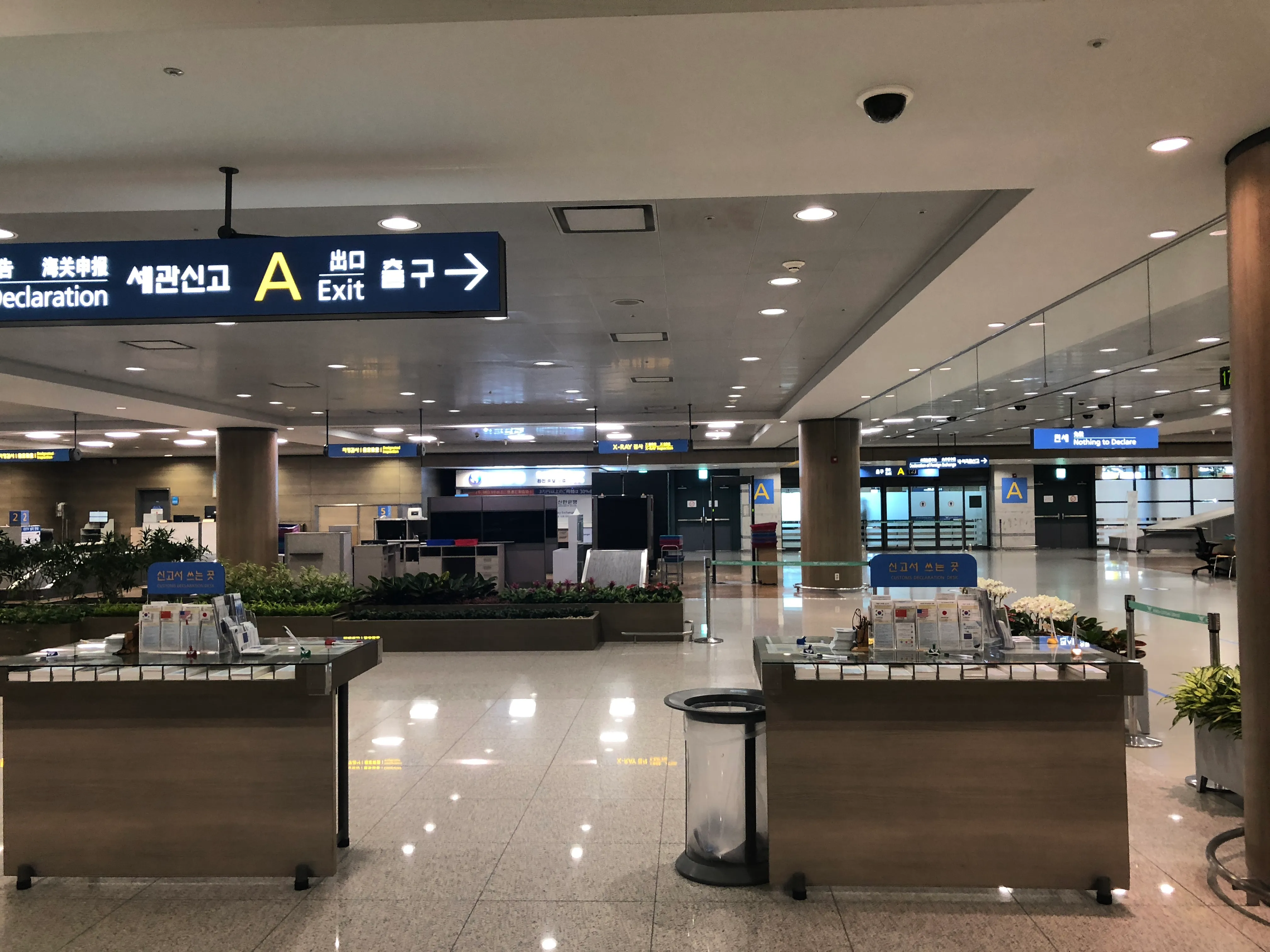
Keep your approval and prescription in your carry-on and show them if customs asks. If you’re over the personal-use allowance or unsure, ask at the customs declaration area (세관신고) rather than walking straight out.
Can someone mail my medicine to me in Korea?
Not for narcotic or psychotropic medicines: they can’t come by mail or courier, even with a permit. The 6-bottle allowance described here applies to medicine you carry in your own baggage, so bring what you need with you.
Related guides
 Trip Planning
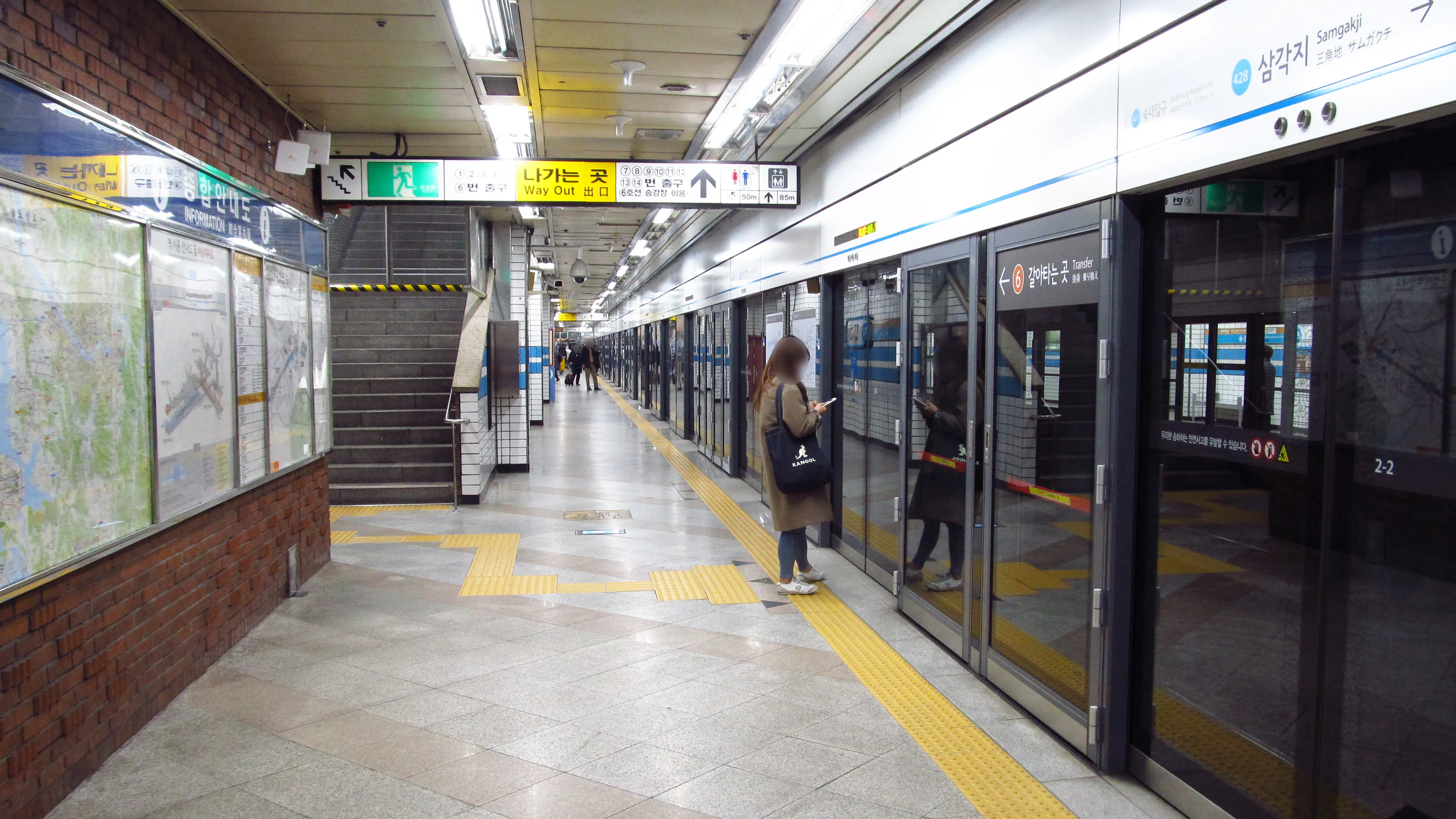
Lost and Found in Seoul: Subway, Taxi, Airport and Police (2026)
Lost and found in Seoul: tell station staff your train time and door number, check Seoul Metro's four centers, then search found items on Police Minwon24.
 Trip Planning
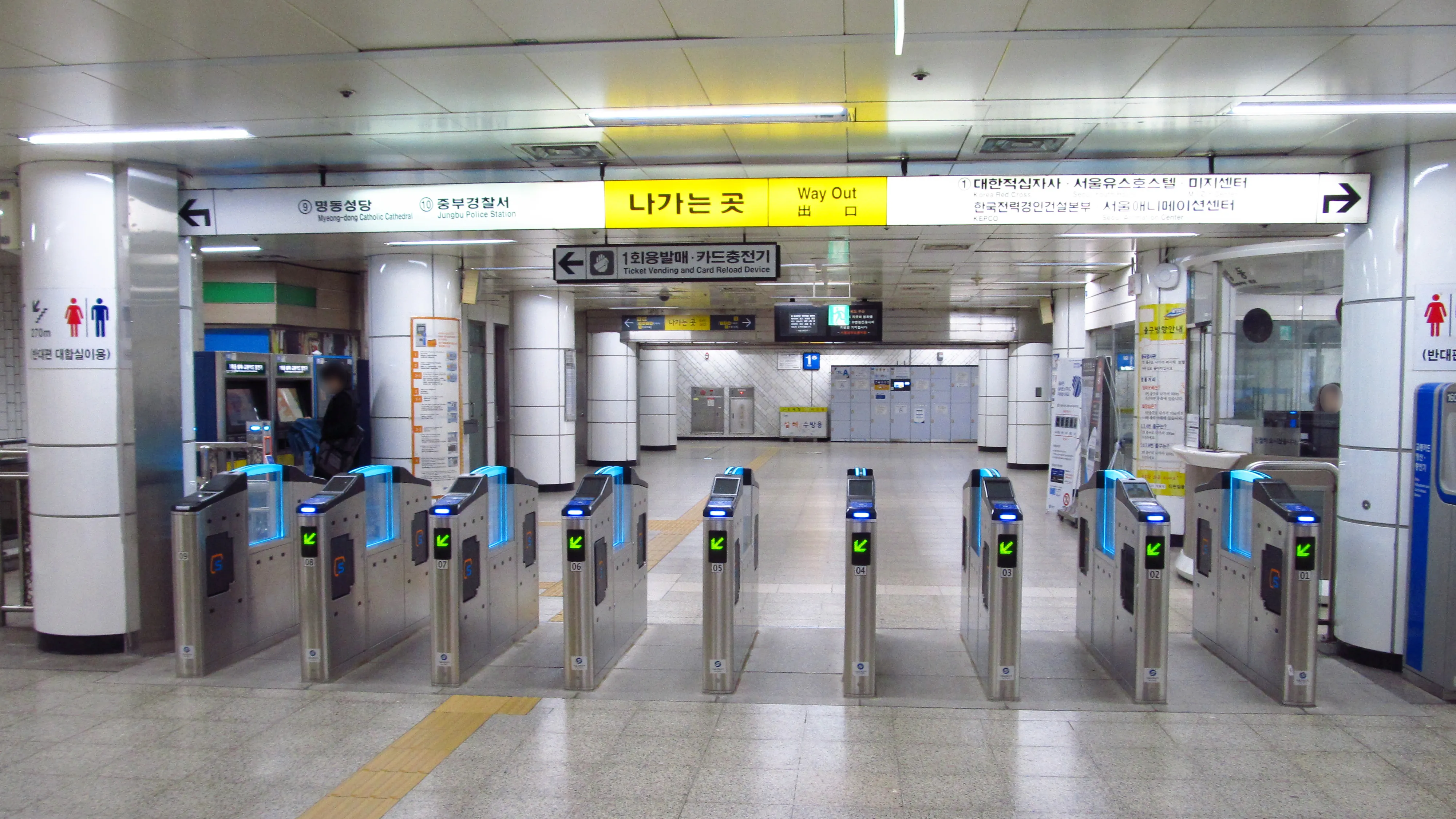
Luggage Storage in Seoul: Subway Lockers, T-Luggage, Airport Delivery
Luggage storage in Seoul: subway lockers from ₩2,200 per 4 hours, staffed T-Luggage counters, and same-day delivery to Incheon Airport from ₩20,000.
 Trip Planning
K-ETA Korea 2026: Do You Need One? Exemption Ends 31 Dec
K-ETA Korea: no K-ETA needed until 31 Dec 2026 on US, UK, Canadian, Australian and 18 other passports. Who still needs one, the ₩10,000 fee, and 2027.
Sources
- Ministry of Food and Drug Safety (MFDS) — Self Treatment Narcotics Bring in Permit: procedure and online application since 27 Dec 2024 (Korean)
- Drug Safety Korea (MFDS) — Permit To Bring In Narcotics For Self-treatment, online application and FAQ
- Drug Safety Korea (MFDS) — Drug product search with narcotic classification (Korean)
- Consulate General of Korea in Osaka — Permit for narcotic medicines for self-treatment: documents, 10 business days, 90-day limit (Korean, updated 3 Oct 2026)
- Consulate General of Korea in Wuhan — Bringing medicines into Korea, with Korea Customs Service guide (Korean, 13 Feb 2026)
- Consulate General of Korea in Atlanta — Medicines for travelers to Korea: 6 bottles or three months' supply (12 May 2026)
- Herald Economy — Incheon Airport Customs: Viagra and Cialis need a Korean doctor's prescription even for one bottle (Korean, 3 Jun 2026)
- Kyunghyang Shinmun — Korea Customs: narcotic-ingredient medicines seized up 43 times since 2020 (Korean, 18 Mar 2025)