Doctor in Korea as a Tourist: Clinics, Pharmacies, 119 and 1330 (2026)
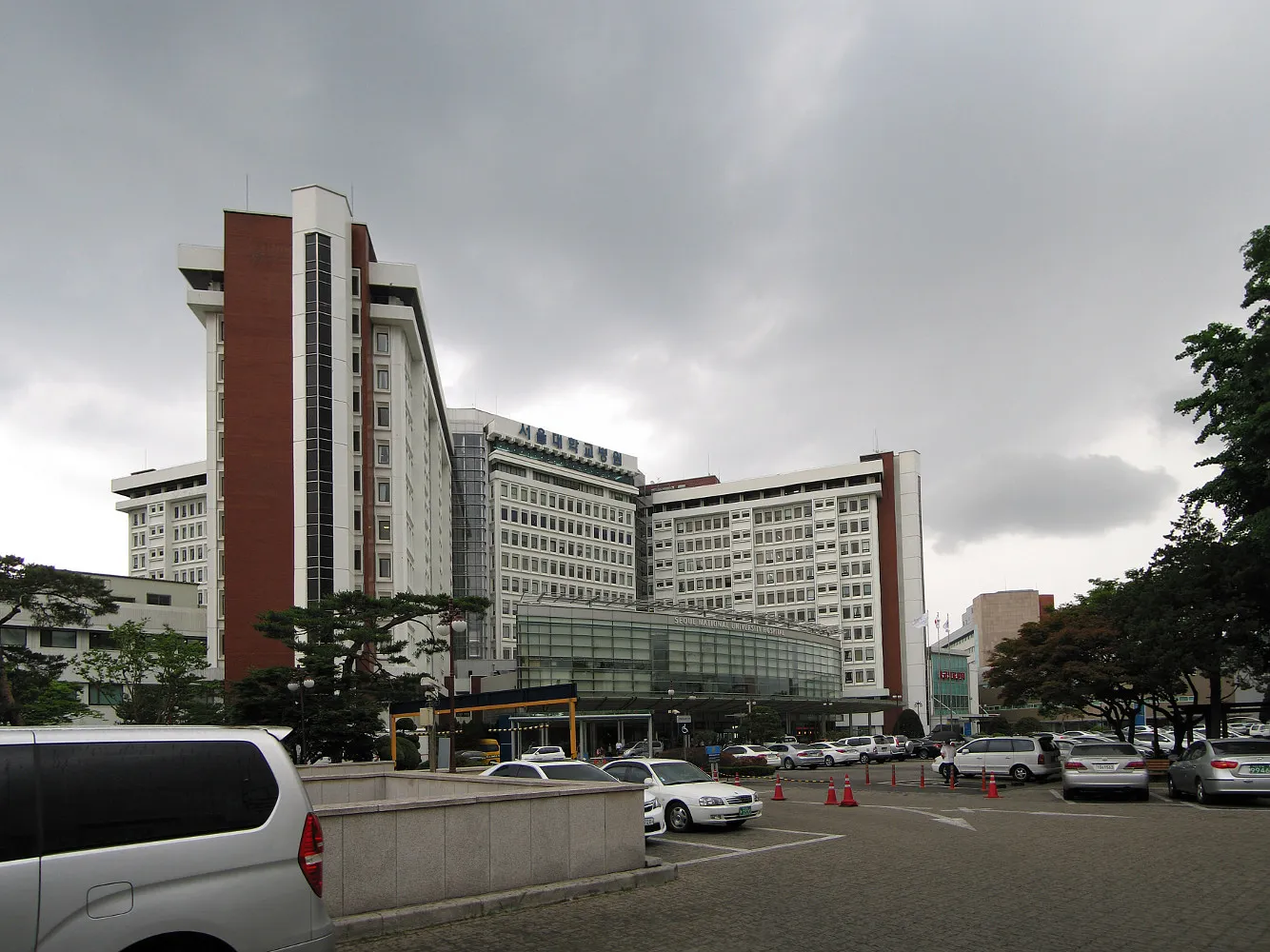
Quick answer: To see a doctor in Korea as a tourist, call 119 for any emergency (ambulance, fire, rescue; an interpreter can join the call), and go to a neighborhood clinic (의원, uiwon) or pharmacy (약국, yakguk) for minor illness. Big university hospitals run English-speaking international healthcare centers, but only on weekdays, roughly 08:30–17:30. Tourists aren’t covered by Korea’s national health insurance, so you pay the full bill and claim it back from your travel insurer.
Where should you go: 119, ER, clinic or pharmacy?
Match the place to how serious it is: Korea’s health ministry asks people with mild symptoms to use local clinics and keep large hospital emergency rooms for severe cases.
| Situation | Where to go | Korean name | Notes |
|---|---|---|---|
| Chest pain, trouble breathing, serious injury, unconscious | Call 119 | 119 구급대 | 119 sends you to a hospital that fits how severe your case is |
| Bad but stable (high fever, a cut that needs stitches) at night | Emergency room | 응급실 (eunggeupsil) | Large ERs treat the most severe patients first |
| Cold, stomach bug, rash, minor sprain during the day | Neighborhood clinic | 의원 / 내과 (internal medicine) | Walk in; the doctor can refer you to a hospital if needed |
| Headache, diarrhea, blister, mild cold | Pharmacy | 약국 | No prescription needed for over-the-counter medicine |
| Pharmacy closed, late at night | 24-hour convenience store | 편의점 | Only 13 approved basic medicines, one pack per purchase |
| You want an English-speaking specialist | Hospital international healthcare center | 국제진료센터 | Weekdays only; call ahead |
When a clinic doctor judges a case to be severe, they can send you on to a larger hospital. To find clinics open on holidays, the ministry points people to the 129 health hotline, the E-gen emergency medical portal (응급의료포털 E-gen) and map apps. Naver Map shows clinic and pharmacy hours; see our Naver Map English guide for setup.
How do you call 119 if you don’t speak Korean?
Dial 119 from any phone, say “English” and stay on the line: regional 119 centers connect a volunteer or staff interpreter in a three-way call. Jeonbuk’s fire service, for example, reported 111 volunteer interpreters in 14 languages in May 2026. In June 2026, Chungnam said it was expanding from 13 to 15 languages, with an AI interpretation system covering the hours when interpreters aren’t on duty.
If you can’t talk, you can still reach 119:
- Text 119. Send a message with what happened, and attach a photo or video showing the scene or a nearby address sign. Korea’s policy portal says this is meant for foreigners and others who can’t easily talk on the phone.
- Use the 119 app (119신고). It sends your GPS location with the report, which helps if you don’t know where you are.
- Accept a video call if the dispatcher offers one, so the crew can see the patient and guide you.
Before you call, look for the nearest building name or a subway exit number. Those are the fastest way to tell a dispatcher where you are.
What does 1330 do in a medical situation?
The 1330 Korea Travel Helpline, run by the Korea Tourism Organization (한국관광공사), is an interpreter and information line, not an ambulance number. Call 1330 from a Korean phone or +82-2-1330 from a foreign SIM. VisitKorea lists Korean, English, Japanese, Chinese, Russian, Vietnamese, Thai and Malay.
Use it to:
- get travel information in English when you’re stuck;
- have an operator interpret between you and a hotel front desk, taxi driver, restaurant or shop;
- report a problem with a tourist business.
On Wi-Fi you can place a free online call from the VisitKorea 1330 page, or chat through the 1330 messenger in your browser or through KakaoTalk, Facebook, Line or WhatsApp. If someone’s life is in danger, call 119 first, then 1330 if you need help explaining.
Which hospitals have English-speaking international centers?
Most big university hospitals in Seoul have an international healthcare center (국제진료센터) with English-speaking coordinators who book appointments, interpret and handle payment. These are the numbers the Korea Tourism Organization published, updated 11 September 2026:
| Hospital | English line | Hours (weekdays) |
|---|---|---|
| Seoul National University Hospital (서울대학교병원) | +82-2-2072-0505 | 09:00–17:30 |
| Severance Hospital (세브란스병원) | +82-2-2228-5800 | 08:30–17:30 |
| Gangnam Severance Hospital (강남세브란스병원) | +82-2-2019-3600 | 08:30–17:30 |
| Samsung Medical Center (삼성서울병원) | +82-2-3410-0200 | 08:00–17:00 |
| Asan Medical Center (서울아산병원) | +82-2-3010-5001 | 08:30–17:30 |
| Seoul St. Mary’s Hospital (서울성모병원) | +82-2-2258-5745 | 08:30–17:00 |
| Korea University Anam Hospital (고려대학교 안암병원) | +82-2-920-5677 | 08:30–17:30 |
| Inje University Busan Paik Hospital (인제대학교 부산백병원) | +82-51-797-0566 | 08:30–17:00 |
All of these centers close on weekends and public holidays. Seoul National University Hospital also lists an emergency line, +82-10-8831-2890. Outside those hours, go to the hospital’s emergency room (응급실) or call 119.
Pick an international center if you need a specialist, a scan or an English medical report for your insurer. For a cold or a minor infection, a neighborhood clinic is usually quicker; keep a translation app or 1330 ready for the front desk.
How much does it cost without Korean insurance?
You pay the full price. Korea’s National Health Insurance Service (국민건강보험공단) excludes people staying on tourist (B) and short-term (C) status, and other foreigners only join after living in Korea for six months. That means no subsidized rate for visitors, so hospitals bill you as an uninsured patient.
Since 2024, Korean patients with mild or non-urgent conditions pay 90% of the bill at large hospital emergency rooms. That rule is part of a push to steer mild cases to local clinics. It doesn’t change much for tourists, who pay in full anyway, but it explains why big ERs prioritize severe cases and you may wait a long time with a minor problem.
To claim from your travel insurer, ask before you leave:
- 영수증 (yeongsujeung) — the receipt.
- 진료비 세부내역서 — the itemized bill.
- 진단서 (jindanseo) — a diagnosis certificate. Ask for an English version if your insurer needs one.
Pay by card where you can; the card statement is a second record of the payment.
How do pharmacies and convenience-store medicines work?
Pharmacists can sell you over-the-counter medicine (일반의약품) without a prescription, while antibiotics and other prescription-only drugs (전문의약품) need a Korean doctor’s prescription. Korean clinics don’t hand out medicine themselves: you get a paper prescription (처방전) and fill it at any pharmacy, usually the one next door.
Tips from the Korea Tourism Organization’s pharmacy guide:
- Show the pharmacist a photo of the medicine you use at home, or type your symptoms and allergies into a translation app.
- Look for a “Language assistance available” sign at the door, common in tourist areas.
- On Sundays and holidays, the Korean Pharmaceutical Association’s Holiday Guard Pharmacy site (휴일지킴이약국, pharm114.or.kr) lists pharmacies that are open.
- Incheon Airport has pharmacies on the basement level and 3rd floor of both terminals: five in Terminal 1 and three in Terminal 2, according to the 2024 guide.
When pharmacies are closed, 24-hour convenience stores registered with the local health office can sell 13 approved household medicines (안전상비의약품): fever and pain relievers such as Tylenol 500mg, digestive aids, two cold medicines and two pain patches. The health ministry limits each sale to one pack and bans sales to children under 12. Stores must display these medicines separately from other goods. Our Korean convenience store guide covers paying and finding a 24-hour branch.
What about a dentist or new glasses?
Dentists (치과, chigwa) are neighborhood clinics too, and the same rule applies: without Korean insurance you pay the full price. Phone ahead or ask 1330 to call for you, and keep the receipt for your insurer.
Glasses are a quick fix. Korean optical shops (안경원) test your eyes in the store and make the lenses on site. The Korea Tourism Organization says the whole process, from eye exam to finished glasses, often takes under 30 minutes. Shops showing the Tax Free logo can refund VAT on the spot if you show your passport and spend above the minimum.
FAQ
Can I text 119 instead of calling?
Yes. Send a text to 119 describing what happened and attach a photo or video of the scene or a nearby address sign. Korea’s government lists texting as an option for foreigners who can’t easily talk on the phone.
Can I just walk into a hospital emergency room?
Yes, you can go to an emergency room without calling 119 first. Large university hospital ERs treat the most severe patients first, so for a minor problem a neighborhood clinic during the day is usually faster.
Do I need a prescription for antibiotics in Korea?
In general, yes. Korea’s prescription system exists to stop patients buying higher-risk drugs such as antibiotics on their own, so see a clinic doctor first and take the prescription (처방전) to any pharmacy.
What’s the number for a doctor who speaks English?
On weekdays, call a hospital international healthcare center, such as Severance at +82-2-2228-5800 or Seoul National University Hospital at +82-2-2072-0505. At night or on weekends, call 1330 to find an open clinic, or 119 in an emergency.
Can I buy Tylenol at a convenience store in Korea?
Yes, Tylenol 500mg is one of the 13 medicines approved for 24-hour convenience stores. You can buy one pack at a time.
Related guides
 Trip Planning
Lost and Found in Seoul: Subway, Taxi, Airport and Police (2026)
Lost and found in Seoul: tell station staff your train time and door number, check Seoul Metro's four centers, then search found items on Police Minwon24.
 Trip Planning
Korea Weather by Month: Temperatures, Rain and What to Pack (2026)
Korea weather by month from official 1991–2020 data: Seoul highs and lows, the July rainy season, dust season and a packing list for each month.
 Trip Planning
Hanbok Rental in Seoul: Prices and Free Palace Entry Rules (2026)
Hanbok rental in Seoul costs about ₩14,000–24,000 for 4 hours near Gyeongbokgung, and wearing one gets you into the palaces free. Rules and hours inside.
Sources
- VisitKorea (Korea Tourism Organization) — Emergency situations: emergency numbers and hospital international healthcare centers (updated 11 Sep 2026)
- VisitKorea — Pharmacy guide in Korea: language help, holiday pharmacies, airport pharmacies (2024)
- VisitKorea — 1330 Korea Travel Helpline: phone, free online call and messenger chat
- Gov24 — 1330 tourist interpretation hotline service details (Korean, updated 20 Oct 2026)
- Ministry of Health and Welfare — Safe household medicines sold outside pharmacies: 13 items and sales rules (Korean, updated 31 Mar 2026)
- Korea Policy Briefing — Mild cases should use local clinics; 90% charge for non-emergency patients at large ERs (Korean, 6 Sep 2024)
- Korea Policy Briefing — Ways to reach 119: text, video call and the 119 app with GPS location (Korean, 5 Jun 2024)
- National Health Insurance Service — Health insurance for foreigners: six-month rule, tourist (B) and short-term (C) status excluded
- Korea Policy Briefing — Separation of prescribing and dispensing explained: prescription-only vs over-the-counter medicines (Korean, 2000)
- MFDS Drug Safety Korea — What over-the-counter medicines (일반의약품) are (Korean)
- Segye Ilbo — Jeonbuk 119 three-way interpretation with 111 volunteers in 14 languages (Korean, 11 May 2026)
- News1 via Nate — Chungnam 119 expands foreign-language interpretation to 15 languages, AI system for 24 hours (Korean, 18 Jun 2026)
- VisitKorea — Ready in 30 minutes: Korean eyewear shops and tax-free glasses (June 2026)